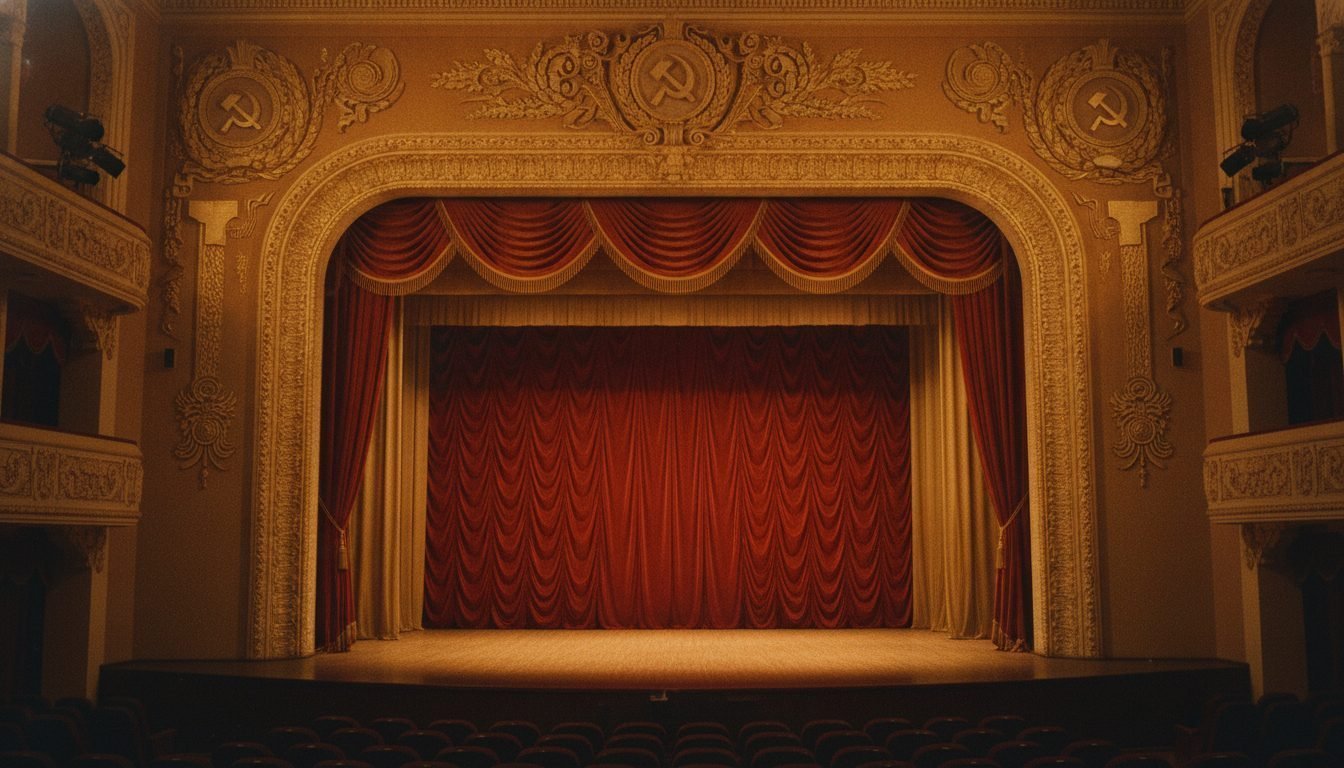
Idol of the Union
Fame
Magomayev was not merely popular — he was a nationwide favourite. His records sold in the millions, and a ticket to his concerts was impossible to get.
Idol of the Union
Magomayev was not merely popular — he was a nationwide favourite. His records sold in the millions, and a ticket to his concerts was impossible to get.
In an age when television was shared by all, Magomayev's voice played in literally every home. He became a symbol of a whole generation — a model of masculine charm, taste and dignity.
Fame
In 1973, at the age of 31, Magomayev became People's Artist of the USSR — one of the youngest in the history of the title. His concerts filled stadiums, and his tours covered the whole vast Union.
He was called the "Soviet Sinatra": for his elegance, his magnetism, his ability to hold a hall of thousands with voice and gaze alone.
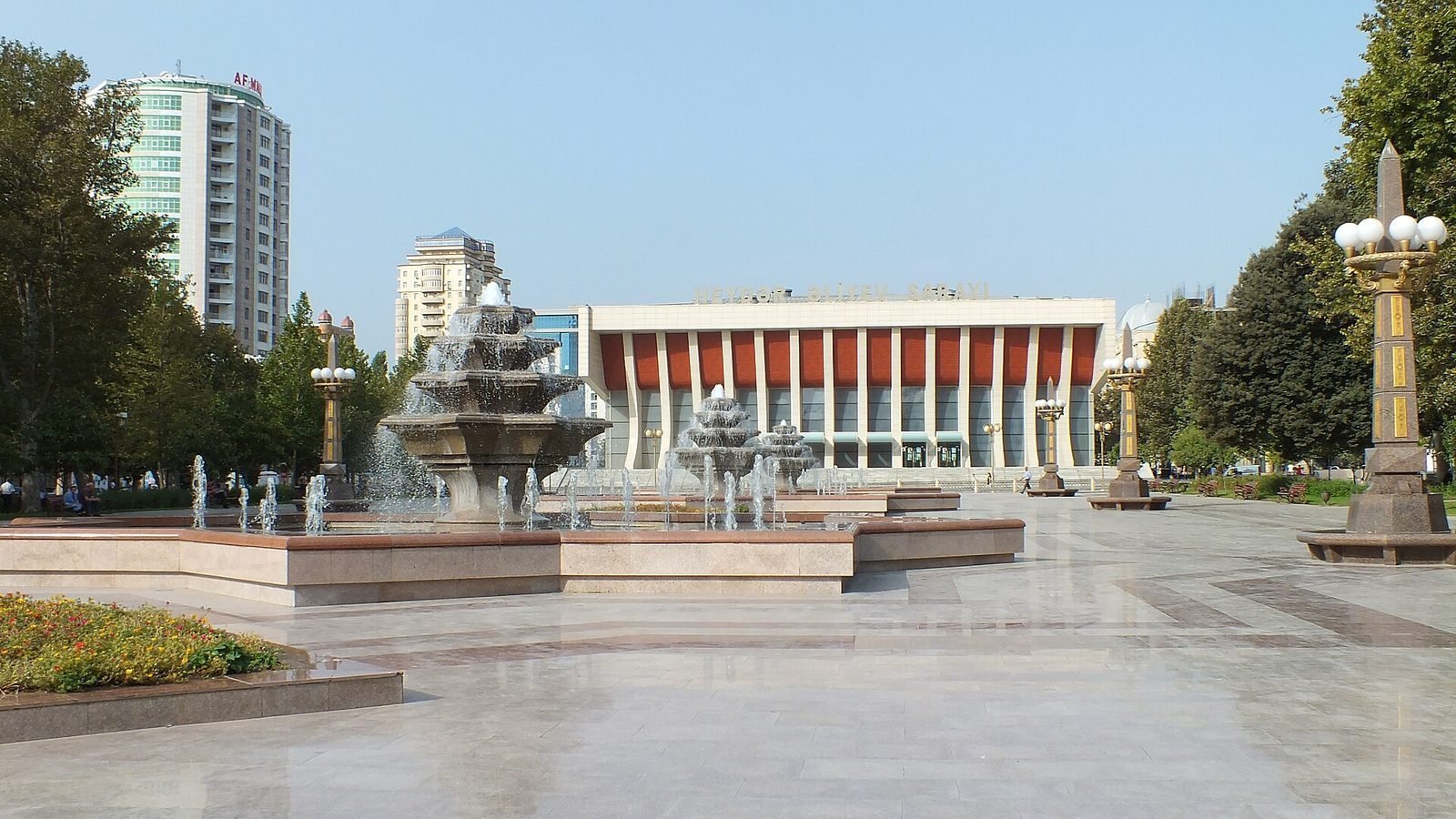
What his fame was made of
One of the youngest holders of the USSR's highest title.
Tens of thousands of listeners and endless tours across the country.
A benchmark of stage charm whose records sold in the millions.
He declined offers to remain in the West — choosing his country and Baku.
Fame
Amid nationwide love he managed to remain independent: he could fall silent, refuse, leave the stage when he saw fit. This inner freedom was part of his charm.
In the 1990s Magomayev largely left the big stage, took up painting and music for himself, and was among the first artists to communicate with fans through the internet.
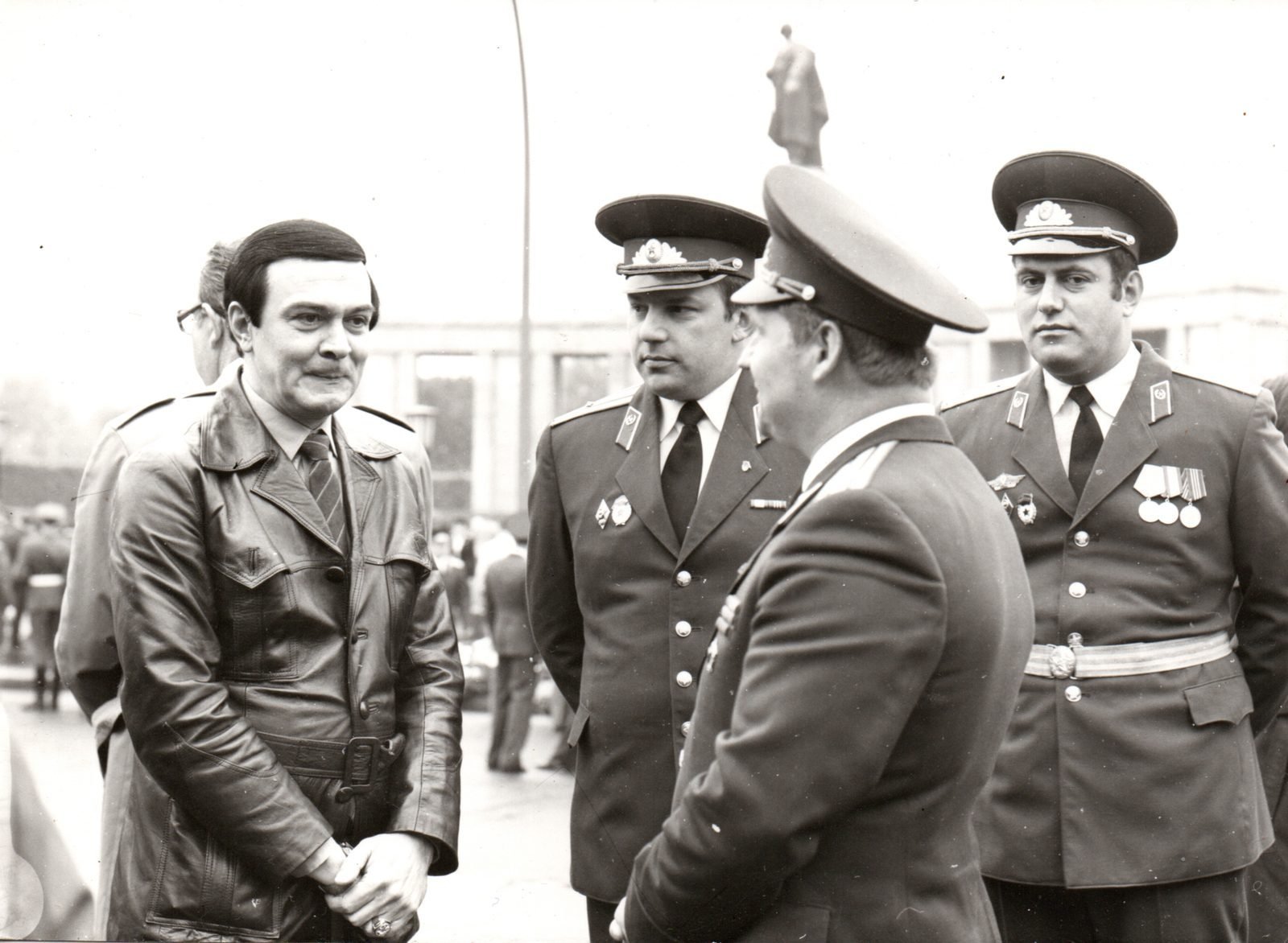
The scale of Magomayev's popularity is described here in general terms — as part of cultural memory, not a statistical study.