
His chief gift
Voice
A velvet baritone of huge range, operatic training and the warmth of popular song in one voice. Magomayev could both stun with an operatic aria and tenderly sing of love — and all of it was genuine.
His chief gift
A velvet baritone of huge range, operatic training and the warmth of popular song in one voice. Magomayev could both stun with an operatic aria and tenderly sing of love — and all of it was genuine.
His voice is unmistakable: noble, full, with flawless diction and that special sincerity that hushed the hall. Magomayev sang in Russian, Azerbaijani and Italian — and was convincing in every one.
Voice
Magomayev did not choose between opera and pop — he mastered both. Operatic schooling gave him power and culture of sound; the popular stage gave him a direct path to the hearts of millions.
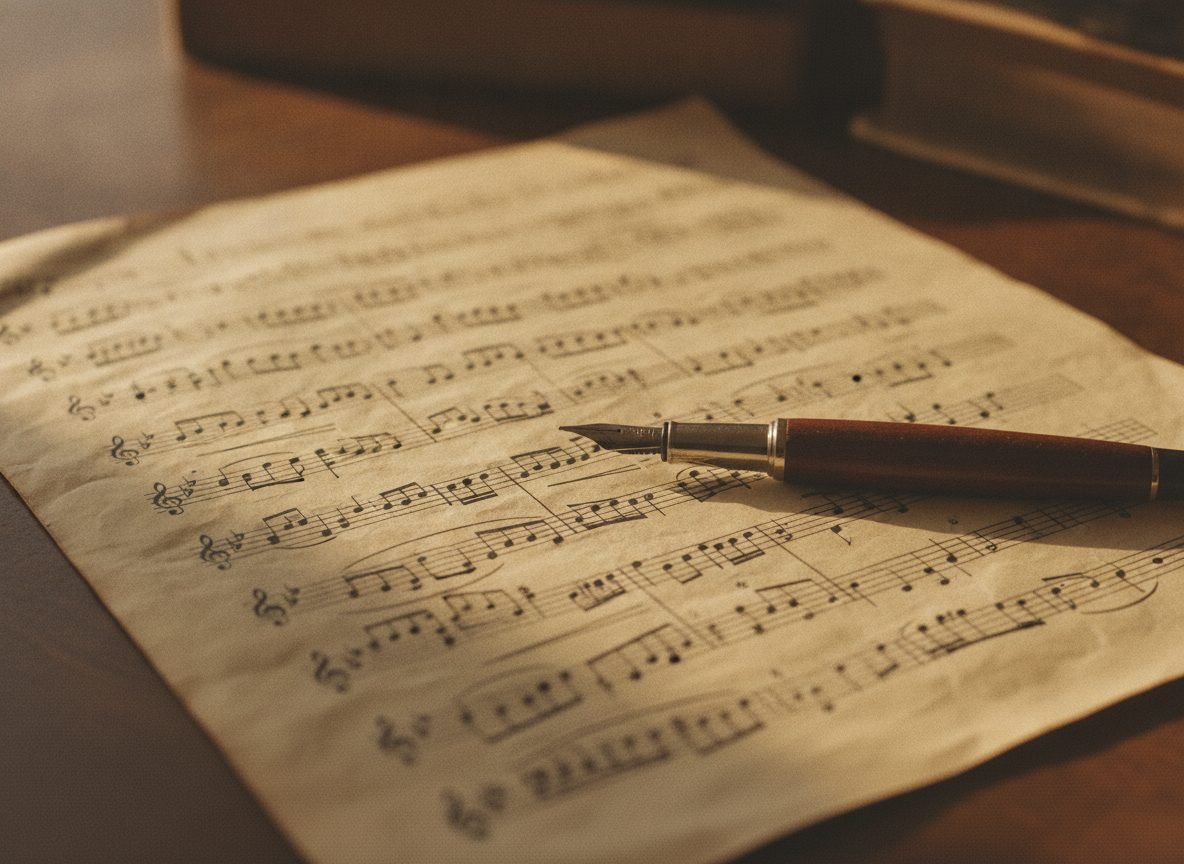
He was also a composer, writing music including his own songs and film scores. The stage for him was not a job but a way to speak to people about what matters most.
The golden repertoire
Just a few of the dozens of songs without which his voice cannot be imagined.
Voice
On stage he did not act but lived: every song was an address to a particular person in the hall. Hence the magic — each listener felt the song was sung to them.
This sincerity cannot be faked, and it is exactly what made his voice dear to millions, far beyond the musical fashions of his time.
Authors and years of the songs are sometimes given differently across sources; the commonly accepted facts are used here.